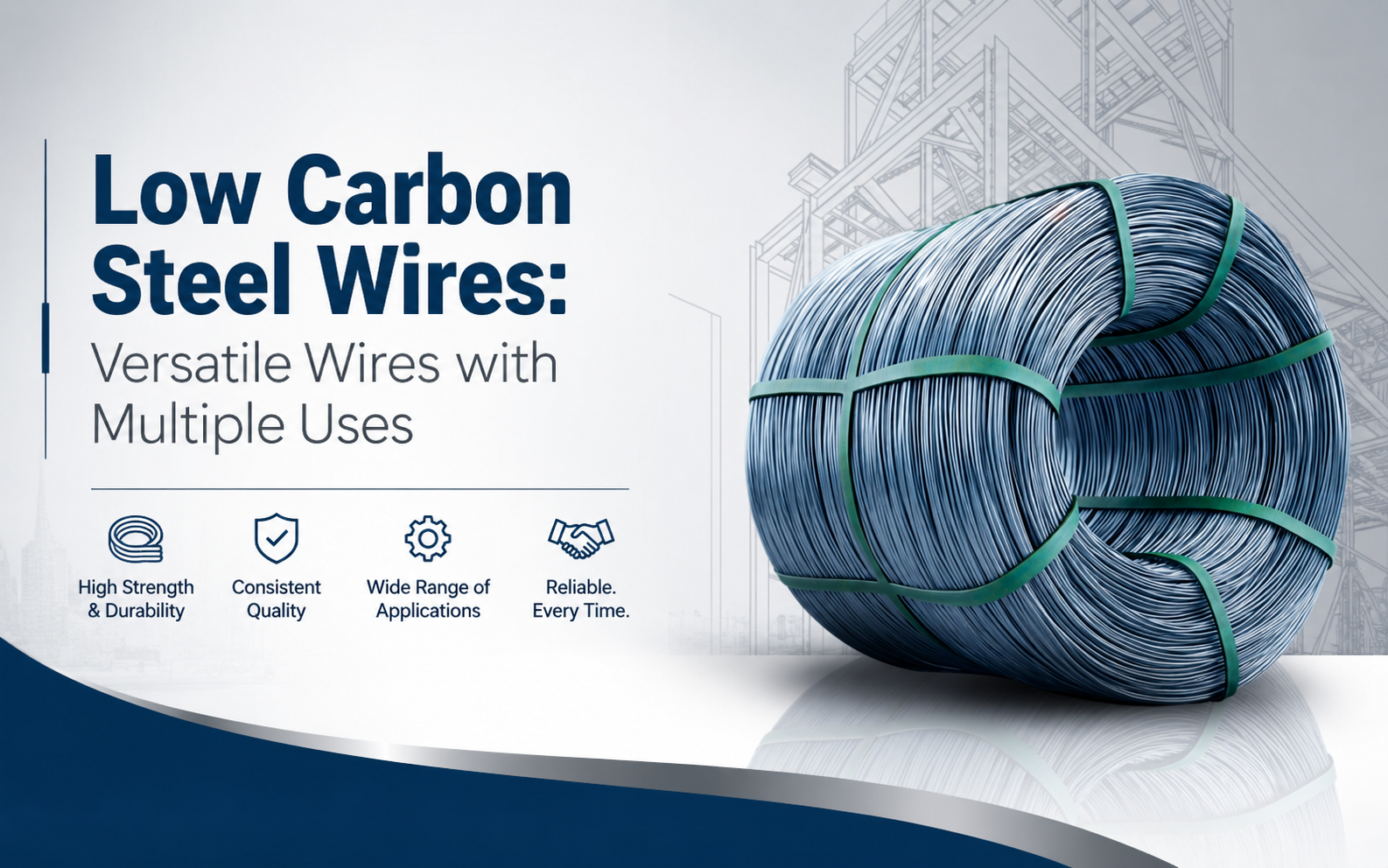
From home to offices, from small industry to heavy industry, steel is everywhere. Steel wires are used in everything due to their balanced composition and properties. Low carbon steel wires have a low carbon content (0.05% and 0.32% of carbon). These steel wires have low strength and high malleability and ductility, making them suitable for diverse applications.
What is Low Carbon Steel Wire?
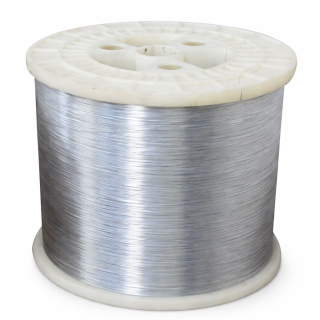
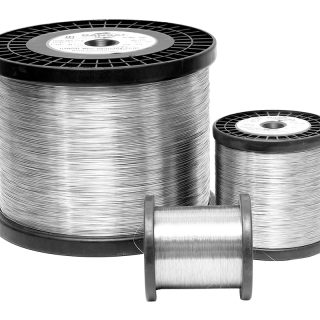
Low-carbon steel wires have a lower carbon-to-iron ratio compared to other steel wires. Low-carbon steel wires have a carbon content of 0.05% and 0.32% by weight, and this makes them suitable for numerous applications. These are general-purpose wires with diameters ranging from 0.20 to 8.0 mm. These wires have a galvanised copper coating, which protects them from corrosion and wear and tear.
Used in applications like mesh wiring, welding, light fencing and other applications, low-carbon steel wire is highly cost-effective and versatile.
Manufacturing of Low Carbon Steel:
The manufacturing process of low carbon steel begins with the melting of iron ore and recycled material in a furnace. During the process, carbon monoxide gas is often introduced to reduce the iron ore to liquid steel. The carbon content in this molten steel is carefully controlled to ensure low-carbon levels. This liquid steel is then processed through a continuous casting machine.
After passing through casting machines, these are further processed using methods like rolling and forging to produce the final low-carbon steel products. During these stages, precise temperature control is critical to achieve the desired mechanical properties. The steel may undergo various heat treatments, such as normalising or controlled cooling, to refine its grain structure and improve properties like ductility and strength. This manufacturing process allows low-carbon steel to retain sufficient strength while also being malleable, setting it apart from higher-carbon steels.
Types of Carbon Steel Wires:
- High carbon steel wire: This carbon steel wire has 0.60% to 1.5% carbon. It is stronger and more durable than low-carbon steel wire but is less flexible. It is commonly used in applications where strength and durability are more important than flexibility, such as bridge and building construction.
- Medium carbon steel wire: Medium carbon steel wire is stronger, as it has a carbon percentage of 0.30% to 0.60%. It is more durable than low-carbon steel but less brittle than high-carbon steel. It is cost-effective, hence a popular choice for many industrial and commercial applications. Its carbon content makes it difficult to weld, and it may require heat treatment before and after welding to prevent fractures.
- Galvanised steel wire: This grade of steel wire is coated with a layer of zinc, which helps protect against corrosion and rust. It has a percentage of 0.05% to 0.32% carbon. It is commonly used in outdoor applications such as fencing and landscaping.
Applications of Low Carbon Steel Wire:
Low carbon steel wires are simple to shape, and this property makes them highly usable in structural applications. Low-carbon steel is used for machinery parts, automobile manufacturing, construction, and various other applications due to its ease of fabrication. Based on the amount of carbon in the iron, there are different types of low-carbon steel wires with a diverse range of applications.
- Beams, columns, channels, pipes
- Galvanised Sheet
- Gating and fencing
- Pipes and Tubes
- Structure for Ventilation and Heating
- Steel Rods and Bars
- Machinery parts, nuts, bolts, appliances, etc.
- Steel Sheet Plates
- Bridges and building frames
- Automobile roofing
Conclusion
It is important to choose the right grade of carbon steel wire to avoid product or application failure. Bansal Steel provides all kinds of steel wires for multiple industrial applications.
Second, choosing the right grade of steel wire can help improve the performance of the product or application. Using stainless steel wire in a marine application helps prevent corrosion and rust, extending product life and reducing maintenance costs.
Different industrial applications need different types of wires. Whether it’s a highly flexible stainless steel wire for a spring, a strong and durable wire for a construction project, or a corrosion-resistant wire for a marine application, there is a grade of steel wire designed to meet your needs.