- April 6, 2026
- Posted by: admin
- Category: blog
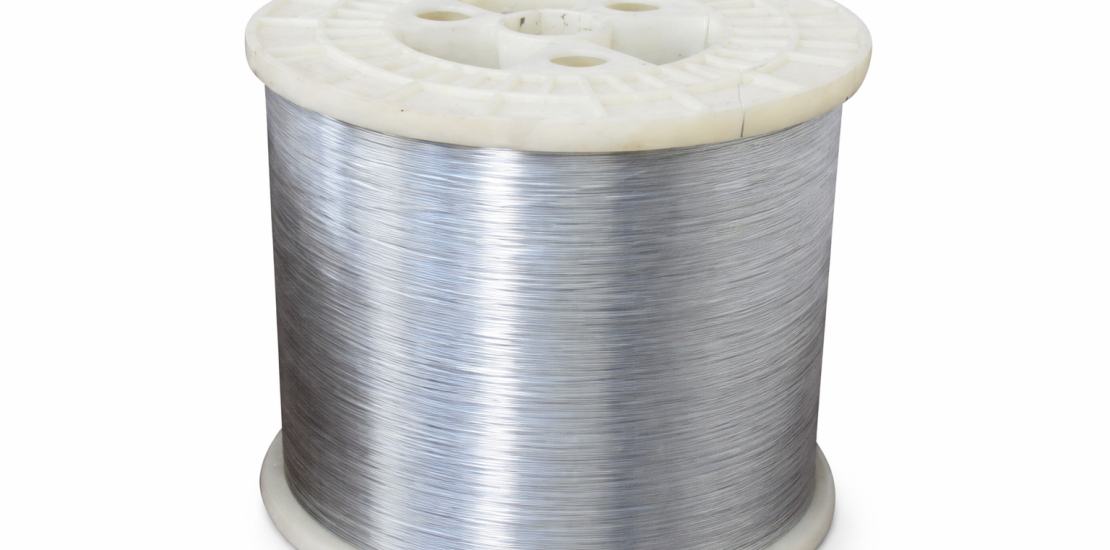
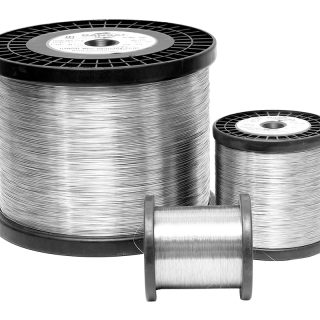
You would have observed the overhead electrical wires across very long stretches, but have you ever wondered which conductive material is used for the manufacturing of these power lines? These overhead lines are made from Aluminium alloy wires, selected for their specific properties. Metal properties such as low density, low cost, and high current-carrying capacity make it a perfect choice for long-distance lines.
Aluminium Alloy: A Wonder Combination
One may ask why we cannot use aluminium for manufacturing, but we all know that high-purity aluminium is a soft material and is not fit for direct industrial applications. To overcome this limitation, aluminium alloys are used. These are made from mixing aluminium with materials like silicon, tin, manganese, or even copper, tin, and magnesium. This enhances the strength and durability of the material. Aluminium is one of the most popular non-ferrous metals to be used in construction, engineering, and industry. Aluminium alloys have a lower density, and this property makes them an ideal material for the aerospace industry.
This property of aluminium is preferred by electrical engineers while installing overhead voltage lines using Aluminium Alloy Wires. Aluminium is preferred for various industrial and commercial applications due to its properties like strength, flexibility, and versatility.
Applications of Aluminium Alloy Wires:
Use of Aluminium is an integral part of kitchen cutlery sets, and it is extensively used in the construction of lightweight components and corrosion-resistant metal parts. Aluminium alloy wires are used in industries like aerospace, automotive and power. Here are some of the major applications of aluminium alloy wires:
Infrastructure:
Aluminium alloy is a growing choice in building construction and infrastructure. It has properties like high corrosion resistance and low flammability, so it is used in the construction of modern building structures.
Power Industry:
Aluminium alloy wires are a favoured choice in electrical and electronic engineering applications. It is a non-ferrous material and doesn’t cause any magnetic interference, hence it is used in the manufacturing of overhead powerlines. Its non-ferromagnetic property is valuable and important for electronic manufacturing, electrical shielding, and other applications.
Aerospace Industry:
The aerospace industry is evolving fast and is working towards reducing the weight of the bulky aircraft. Aluminium alloy has great strength and lightweight properties, so it is used inthe aerospace industry. From aircraft wiring to structural components, the material is integral to the design and performance of modern aircraft.
Marine Equipment Manufacturing:
Aluminium alloy is highly preferred in the marine industry due to its corrosion-resistant properties. It is used in the construction of marine vessels, offshore structures, and marine equipment. Aluminium alloy can endure the harsh marine environment and maintain the structural properties, hence it is used in various marine applications.
Conclusion:
Aluminium alloy wire has been a preferred choice for multiple industrial applications in engineering and manufacturing areas. Properties like great strength, lightweight, and corrosion resistance make this material suitable for industries such as aerospace, automotive, construction, manufacturing, and marine. Wire manufacturers like Bansal Wires use advanced technology to fulfil the aluminium alloy wire demand of the industry.